

NEW POSTS

March 29, 2026 through April 4, 2026
Christian men are called to lead, serve, and stand firm in faith. But the enemy is relentless in his attempts to sidetrack and negate a life lived for Christ. Here are ten common strategies Satan uses against men, along with biblical responses to help you stand strong and finish well. 1. Distraction from God and Your Purpose Strategy: Satan fills your days with busyness, entertainment, and even “good” things that crowd out time with God. Biblical Response: Seek first the kingdom of God and His righteousness (Matthew 6:33). Prioritize spiritual disciplines like prayer, Bible reading, and worship to keep your heart aligned with Christ. Remember: All of life is to be lived “before the face of God.” 2. The Lie of Self-Sufficiency Strategy: He tempts you to rely on your own strength and wisdom, fostering pride and independence from God. Biblical Response: Apart from Me you can do nothing (John 15:5). Boast in your weakness, for Christ’s power is made perfect there (2 Corinthians 12:9). Salvation and growth are by grace alone; depend on Christ daily. 3. Accusation and Guilt Strategy: Satan reminds you of your past failures, making you feel unworthy of God’s love. Biblical Response: There is therefore now no condemnation for those who are in Christ Jesus (Romans 8:1). Confess your sins and trust God’s faithful forgiveness (1 John 1:9). Stand firm in your identity: justified by faith alone. 4. Sowing Doubt and Confusion Strategy: He causes you to question God’s goodness, promises, or Word. Biblical Response: God is not man, that He should lie (Numbers 23:19). Hold fast to Scripture: Your word is truth (John 17:17). Scripture alone is your authority—test everything by God’s Word. 5. Temptation to Sin Strategy: Satan entices you to compromise, disobey, or pursue sinful desires. Biblical Response: Resist the devil, and he will flee from you (James 4:7). Walk by the Spirit, and you will not gratify the desires of the flesh (Galatians 5:16). Sanctification is God’s work in you—depend on the Spirit’s power. 6. False Teaching and Doctrinal Deception Strategy: He introduces false doctrine or distorts the gospel to lead you astray. Biblical Response: Test the spirits to see whether they are from God (1 John 4:1). Guard the good deposit entrusted to you (2 Timothy 1:14). Stay rooted in sound, confessional teaching and seek wise counsel. 7. Choking Out Faith with Worry and Pleasure Strategy: He uses anxieties, riches, and pleasures to stifle your spiritual growth. Biblical Response: Cast all your anxieties on Him, because He cares for you (1 Peter 5:7). Godliness with contentment is great gain (1 Timothy 6:6). Trust God’s providence and seek contentment in Christ. 8. Worldliness and the Allure of Culture Strategy: Satan makes the world’s values and pleasures seem more attractive than Christ. Biblical Response: Do not love the world or the things in the world (1 John 2:15). Set your minds on things above, not on things that are on earth (Colossians 3:2). Live as a pilgrim, seeking the city that is to come (Hebrews 11:13-16). 9. Isolation and Discouragement Strategy: He attacks when you’re alone or suffering, fostering discouragement and despair. Biblical Response: Let us not neglect meeting together... but encourage one another (Hebrews 10:24-25). Encourage one another and build one another up (1 Thessalonians 5:11). The church is God’s means of grace for mutual support—don’t go it alone. 10. Blurring the Eternal Perspective Strategy: Satan keeps you focused on temporary things, minimizing the urgency of spiritual matters. Biblical Response: For this light momentary affliction is preparing for us an eternal weight of glory (2 Corinthians 4:17). Look carefully then how you walk... making the best use of the time (Ephesians 5:15-16). Live for God’s glory alone— soli Deo gloria . Final Thoughts Men, spiritual warfare is real. But God has given you everything you need for life and godliness. Stand firm in Christ, saturate your life with Scripture, stay connected to the church, and lead your family and community with courage and humility. The enemy’s strategies are no match for the power of God at work in you. “Be watchful, stand firm in the faith, act like men, be strong. Let all that you do be done in love.” —1 Corinthians 16:13-14 Stay vigilant. Stay rooted. Live for Christ.
Grace is the heartbeat of the Christian faith—and it should be the heartbeat of your marriage, too. As husbands, we’re called not just to love our wives when it’s easy, but to extend the same unearned, patient, and forgiving grace that God lavishes on us. But what does this look like in real life? Here’s how you can make God’s grace the foundation and fuel of your marriage, day by day. What Is Grace in Marriage? Grace is “the free and unmerited favor of God,” shown to us in Christ and meant to be reflected in the way we treat our wives. In marriage, grace means loving your wife not only when she’s lovable, but especially when she’s not. It’s choosing to see her as God sees her—valued, forgiven, and precious—even in moments of frustration or disappointment. Practical Ways to Apply God’s Grace as a Husband 1. Forgive Quickly and Fully Don’t keep score or hold grudges. When your wife fails or hurts you, remember how much Christ has forgiven you, and let that grace flow through you to her. “Bear with each other and forgive one another if any of you has a grievance against someone. Forgive as the Lord forgave you.” (Colossians 3:13) 2. Respond with Kindness, Not Retaliation When you’re frustrated, resist the urge to snap back or say “I told you so.” Instead, respond with gentleness and empathy. “Be kind and compassionate to one another, forgiving each other, just as in Christ God forgave you.” (Ephesians 4:32) Grace believes the best, not the worst, about your wife—even when you’re tempted to assume otherwise. “Love bears all things, believes all things, hopes all things, endures all things.” (1 Corinthians 13:7) 3. Embrace and Respect Differences Your wife is unique, with her own quirks, strengths, and weaknesses. Don’t try to change her into your image. Respect her differences as God’s design, and let those differences strengthen your partnership rather than divide it. “Husbands, in the same way be considerate as you live with your wives, and treat them with respect…” (1 Peter 3:7) 4. Serve Without Expecting Payback Grace means serving your wife—meeting her needs, helping with chores, listening to her heart—without keeping score or expecting something in return. “Husbands, love your wives, just as Christ loved the church and gave himself up for her.” (Ephesians 5:25) 5. Communicate with Empathy and Patience Let your words be “always full of grace, seasoned with salt.” (Colossians 4:6) Listen first, speak gently, and seek to understand her feelings and point of view. “Everyone should be quick to listen, slow to speak and slow to become angry.” (James 1:19) This creates a safe space for honesty and connection. 6. Set and Respect Healthy Boundaries Give each other space to grow and be yourselves. Don’t demand what she can’t give, and don’t hold her accountable for what she doesn’t know. “Do nothing out of selfish ambition or vain conceit. Rather, in humility value others above yourselves.” (Philippians 2:3) 7. Keep Pursuing and Learning About Her Never stop dating your wife. Keep learning about her dreams, fears, and joys. Grace means you never assume you have her “figured out,” but keep pursuing her heart with curiosity and love. “Let love and faithfulness never leave you; bind them around your neck, write them on the tablet of your heart.” (Proverbs 3:3) Why Grace Matters Grace is what transforms conflict into connection, mistakes into moments of growth, and ordinary days into a showcase of God’s love. When you lead with grace, you create a marriage that’s not just surviving, but thriving—a relationship where both you and your wife can flourish, even in the messiness of real life. Resources for Growing in Grace Articles & Blogs [Giving Your Spouse Grace – Focus on the Family] [Seven Acts of Grace in a Marriage – ERLC] [Offering Grace to an Undeserving Spouse – Radiant Marriage] Books The Meaning of Marriage by Timothy Keller Sacred Marriage by Gary Thomas Love & Respect by Dr. Emerson Eggerichs The Love Dare by Stephen and Alex Kendrick Boundaries in Marriage by Dr. Henry Cloud and Dr. John Townsend Websites & Ministries [Desiring God – Marriage Resources] [FamilyLife – Marriage Help] [Grace Marriage at Home] [Focus on the Family – Marriage] Husbands, let’s be men who showcase God’s covenant-keeping grace in our homes. Let’s forgive, serve, respect, and cherish our wives—not because they always deserve it, but because Christ first loved us. Grace isn’t just a theological idea; it’s the daily choice that can transform your marriage from the inside out.
WEEKLY EMAILS
March 29, 2026 through April 4, 2026
March 22, 2026 through March 28, 2026
March 15, 2026 through March 21, 2026
BOOK REVIEWS

Inspired by Thaddeus J. Williams, Don’t Follow Your Heart: Boldly Breaking the Ten Commandments of Self-Worship (2022).

Why “Be True to Yourself” Is Terrible Advice (And What the Bible Says Instead)
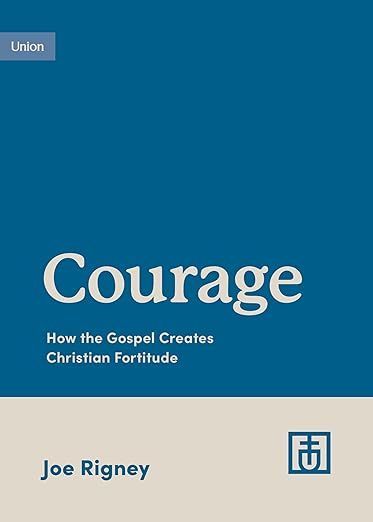
Author: Joe Rigney Series: Gospel Integrity Series (in partnership with Union School of Theology) To Purchase this Book: click here Overview Courage: How the Gospel Creates Christian Fortitude by Joe Rigney is a concise, practical exploration of the Christian virtue of courage—also known as fortitude—and its deep connection to the gospel. Rigney examines how biblical courage is not simply the absence of fear, but a habitual, sober-minded mastery of fear through a greater desire for the glory of God. Drawing on Scripture, church history, and practical wisdom, Rigney encourages believers to develop boldness rooted in Christ, enabling them to face anxiety, anger, fear, and even persecution with steadfast joy. Key Themes Courage as a Christian Virtue: Rigney defines courage as “a stable habit of the heart that masters the passions, especially the passion of fear, through the power of a superior desire.” For Christians, that superior desire is the glory of God, which overcomes all lesser fears and passions. The Gospel as the Source of Courage: The gospel is described as the “fountain of Christian courage.” Because Christ has conquered sin and death, believers can stand boldly before God and men, no longer enslaved by fear of condemnation. Courage vs. Cowardice: Rigney contrasts true courage with its antithesis—cowardice—and encourages Christians to resist timidity and faintheartedness, which sap spiritual strength and resolve. Courage in the Face of Suffering: Drawing from biblical examples, especially the apostles and Paul, Rigney shows that Christian courage often means standing firm and rejoicing even amid suffering, persecution, and loss for the sake of Christ. Practical Application: The book offers practical advice for cultivating courage in daily life, including preaching unpopular truths, mastering passions, and developing courage appropriate to one’s sex. Chapter Summaries
DEVOTIONAL/BIBLE STUDY
Fear Him Rightly: The Believer’s Covenant Response

Paul's exhortation in Colossians 3:1-17 is a rich guide for Christian living, rooted deeply in biblical understanding of union with Christ, sanctification, and the transformative power of the gospel. Three imperatives stand out in this passage: seek the things above, put to death what is earthly, and put on the virtues of Christ. Each command flows from the believer's position in Christ and calls us to a new way of life. Seek the Things Above Paul opens with a striking call: "Since, then, you have been raised with Christ, set your hearts on things above, where Christ is, seated at the right hand of God. Set your minds on things above, not on earthly things" (Colossians 3:1-2). This is not mere religious idealism but a call to live in light of a new spiritual reality. Believers are united to Christ in his death and resurrection—our lives are "hidden with Christ in God" (v.3). To "seek the things above" means to orient our affections, priorities, and thinking toward Christ's kingdom. It is a mindset shaped by the gospel, not by earthly concerns, achievements, or anxieties. This heavenly focus is not escapism; rather, it grounds us in the reality that Christ reigns and that our true identity and hope are found in him. In practical terms, this means that our daily decisions, relationships, and ambitions are to be filtered through the lens of Christ's lordship and our future glory with him. Put to Death What Is Earthly in You Paul moves from identity to action: "Put to death, therefore, whatever belongs to your earthly nature: sexual immorality, impurity, lust, evil desires and greed, which is idolatry" (Colossians 3:5). This "mortification of sin" is not a call to self-reformation by human effort, but a response to the reality that we have died with Christ to sin's dominion. The language is uncompromising. Paul does not call us to merely suppress or manage sinful behaviors, but to "wipe them out, completely exterminate the old way of life." This includes both overt sins (sexual immorality, greed) and relational sins (anger, malice, slander, filthy language, lying). The power to do this comes not from ourselves, but from our union with Christ and the indwelling Spirit. As John Owen famously wrote, "Be killing sin or it will be killing you." This process is ongoing. The "already" of grace means we are free from sin's penalty and power, but the "not yet" of sanctification means we must daily put off the old self and its practices. The gospel provides both the motive and the means: we fight sin not to earn God's favor, but because we have already been accepted and transformed in Christ. Put On Then... Having stripped off the old, Paul now commands us to "put on" the new self, which is "being renewed in knowledge in the image of its Creator" (Colossians 3:10). This is the positive side of sanctification—clothing ourselves with Christlike virtues: "compassion, kindness, humility, gentleness, and patience... Forgive as the Lord forgave you. And over all these virtues put on love, which binds them all together in perfect unity" (vv.12-14). These virtues are not self-generated but are the fruit of the Spirit, evidence that we are God's chosen, holy, and dearly loved people. The imperative to "put on" is grounded in the indicative of what God has already accomplished in us. The Christian life is not about earning a new status, but about living out the new identity we have received in Christ. Paul's vision for the church is a community marked by forgiveness, love, peace, gratitude, and worship (vv.13-17). This new way of life transcends social and ethnic boundaries—"Christ is all, and is in all" (v.11). Every word and deed is to be done "in the name of the Lord Jesus, giving thanks to God the Father through him" (v.17). Conclusion: Living Out the Gospel Colossians 3:1-17 calls believers to a radical, gospel-shaped life grounded in these foundational truths: We seek the things above because our life is hidden with Christ. We put to death what is earthly because we have died and risen with him. We put on Christlike virtues because we are God's chosen people, already holy and loved. This is not a call to self-improvement, but to gospel transformation. As we set our minds on Christ and rely on his Spirit, we become what we already are in him—new creations, living for his glory in every aspect of life.
Praying for Each Other: Lessons from Colossians 1:9–13
TEACHING
Part 1 of 12 - The Warrior’s Psalter
The Covenant Wisdom of God Series - Part 1 by Craig Fain
Difference Between a Devotional and Bible Study And the Need for Both
SPECIAL TOPICS/SERIES
Christian men are called to lead, serve, and stand firm in faith. But the enemy is relentless in his attempts to sidetrack and negate a life lived for Christ. Here are ten common strategies Satan uses against men, along with biblical responses to help you stand strong and finish well. 1. Distraction from God and Your Purpose Strategy: Satan fills your days with busyness, entertainment, and even “good” things that crowd out time with God. Biblical Response: Seek first the kingdom of God and His righteousness (Matthew 6:33). Prioritize spiritual disciplines like prayer, Bible reading, and worship to keep your heart aligned with Christ. Remember: All of life is to be lived “before the face of God.” 2. The Lie of Self-Sufficiency Strategy: He tempts you to rely on your own strength and wisdom, fostering pride and independence from God. Biblical Response: Apart from Me you can do nothing (John 15:5). Boast in your weakness, for Christ’s power is made perfect there (2 Corinthians 12:9). Salvation and growth are by grace alone; depend on Christ daily. 3. Accusation and Guilt Strategy: Satan reminds you of your past failures, making you feel unworthy of God’s love. Biblical Response: There is therefore now no condemnation for those who are in Christ Jesus (Romans 8:1). Confess your sins and trust God’s faithful forgiveness (1 John 1:9). Stand firm in your identity: justified by faith alone. 4. Sowing Doubt and Confusion Strategy: He causes you to question God’s goodness, promises, or Word. Biblical Response: God is not man, that He should lie (Numbers 23:19). Hold fast to Scripture: Your word is truth (John 17:17). Scripture alone is your authority—test everything by God’s Word. 5. Temptation to Sin Strategy: Satan entices you to compromise, disobey, or pursue sinful desires. Biblical Response: Resist the devil, and he will flee from you (James 4:7). Walk by the Spirit, and you will not gratify the desires of the flesh (Galatians 5:16). Sanctification is God’s work in you—depend on the Spirit’s power. 6. False Teaching and Doctrinal Deception Strategy: He introduces false doctrine or distorts the gospel to lead you astray. Biblical Response: Test the spirits to see whether they are from God (1 John 4:1). Guard the good deposit entrusted to you (2 Timothy 1:14). Stay rooted in sound, confessional teaching and seek wise counsel. 7. Choking Out Faith with Worry and Pleasure Strategy: He uses anxieties, riches, and pleasures to stifle your spiritual growth. Biblical Response: Cast all your anxieties on Him, because He cares for you (1 Peter 5:7). Godliness with contentment is great gain (1 Timothy 6:6). Trust God’s providence and seek contentment in Christ. 8. Worldliness and the Allure of Culture Strategy: Satan makes the world’s values and pleasures seem more attractive than Christ. Biblical Response: Do not love the world or the things in the world (1 John 2:15). Set your minds on things above, not on things that are on earth (Colossians 3:2). Live as a pilgrim, seeking the city that is to come (Hebrews 11:13-16). 9. Isolation and Discouragement Strategy: He attacks when you’re alone or suffering, fostering discouragement and despair. Biblical Response: Let us not neglect meeting together... but encourage one another (Hebrews 10:24-25). Encourage one another and build one another up (1 Thessalonians 5:11). The church is God’s means of grace for mutual support—don’t go it alone. 10. Blurring the Eternal Perspective Strategy: Satan keeps you focused on temporary things, minimizing the urgency of spiritual matters. Biblical Response: For this light momentary affliction is preparing for us an eternal weight of glory (2 Corinthians 4:17). Look carefully then how you walk... making the best use of the time (Ephesians 5:15-16). Live for God’s glory alone— soli Deo gloria . Final Thoughts Men, spiritual warfare is real. But God has given you everything you need for life and godliness. Stand firm in Christ, saturate your life with Scripture, stay connected to the church, and lead your family and community with courage and humility. The enemy’s strategies are no match for the power of God at work in you. “Be watchful, stand firm in the faith, act like men, be strong. Let all that you do be done in love.” —1 Corinthians 16:13-14 Stay vigilant. Stay rooted. Live for Christ.
Grace is the heartbeat of the Christian faith—and it should be the heartbeat of your marriage, too. As husbands, we’re called not just to love our wives when it’s easy, but to extend the same unearned, patient, and forgiving grace that God lavishes on us. But what does this look like in real life? Here’s how you can make God’s grace the foundation and fuel of your marriage, day by day. What Is Grace in Marriage? Grace is “the free and unmerited favor of God,” shown to us in Christ and meant to be reflected in the way we treat our wives. In marriage, grace means loving your wife not only when she’s lovable, but especially when she’s not. It’s choosing to see her as God sees her—valued, forgiven, and precious—even in moments of frustration or disappointment. Practical Ways to Apply God’s Grace as a Husband 1. Forgive Quickly and Fully Don’t keep score or hold grudges. When your wife fails or hurts you, remember how much Christ has forgiven you, and let that grace flow through you to her. “Bear with each other and forgive one another if any of you has a grievance against someone. Forgive as the Lord forgave you.” (Colossians 3:13) 2. Respond with Kindness, Not Retaliation When you’re frustrated, resist the urge to snap back or say “I told you so.” Instead, respond with gentleness and empathy. “Be kind and compassionate to one another, forgiving each other, just as in Christ God forgave you.” (Ephesians 4:32) Grace believes the best, not the worst, about your wife—even when you’re tempted to assume otherwise. “Love bears all things, believes all things, hopes all things, endures all things.” (1 Corinthians 13:7) 3. Embrace and Respect Differences Your wife is unique, with her own quirks, strengths, and weaknesses. Don’t try to change her into your image. Respect her differences as God’s design, and let those differences strengthen your partnership rather than divide it. “Husbands, in the same way be considerate as you live with your wives, and treat them with respect…” (1 Peter 3:7) 4. Serve Without Expecting Payback Grace means serving your wife—meeting her needs, helping with chores, listening to her heart—without keeping score or expecting something in return. “Husbands, love your wives, just as Christ loved the church and gave himself up for her.” (Ephesians 5:25) 5. Communicate with Empathy and Patience Let your words be “always full of grace, seasoned with salt.” (Colossians 4:6) Listen first, speak gently, and seek to understand her feelings and point of view. “Everyone should be quick to listen, slow to speak and slow to become angry.” (James 1:19) This creates a safe space for honesty and connection. 6. Set and Respect Healthy Boundaries Give each other space to grow and be yourselves. Don’t demand what she can’t give, and don’t hold her accountable for what she doesn’t know. “Do nothing out of selfish ambition or vain conceit. Rather, in humility value others above yourselves.” (Philippians 2:3) 7. Keep Pursuing and Learning About Her Never stop dating your wife. Keep learning about her dreams, fears, and joys. Grace means you never assume you have her “figured out,” but keep pursuing her heart with curiosity and love. “Let love and faithfulness never leave you; bind them around your neck, write them on the tablet of your heart.” (Proverbs 3:3) Why Grace Matters Grace is what transforms conflict into connection, mistakes into moments of growth, and ordinary days into a showcase of God’s love. When you lead with grace, you create a marriage that’s not just surviving, but thriving—a relationship where both you and your wife can flourish, even in the messiness of real life. Resources for Growing in Grace Articles & Blogs [Giving Your Spouse Grace – Focus on the Family] [Seven Acts of Grace in a Marriage – ERLC] [Offering Grace to an Undeserving Spouse – Radiant Marriage] Books The Meaning of Marriage by Timothy Keller Sacred Marriage by Gary Thomas Love & Respect by Dr. Emerson Eggerichs The Love Dare by Stephen and Alex Kendrick Boundaries in Marriage by Dr. Henry Cloud and Dr. John Townsend Websites & Ministries [Desiring God – Marriage Resources] [FamilyLife – Marriage Help] [Grace Marriage at Home] [Focus on the Family – Marriage] Husbands, let’s be men who showcase God’s covenant-keeping grace in our homes. Let’s forgive, serve, respect, and cherish our wives—not because they always deserve it, but because Christ first loved us. Grace isn’t just a theological idea; it’s the daily choice that can transform your marriage from the inside out.
Practical Steps for Biblical Self-Discipline